each go-live
since June 2024
since April 2025
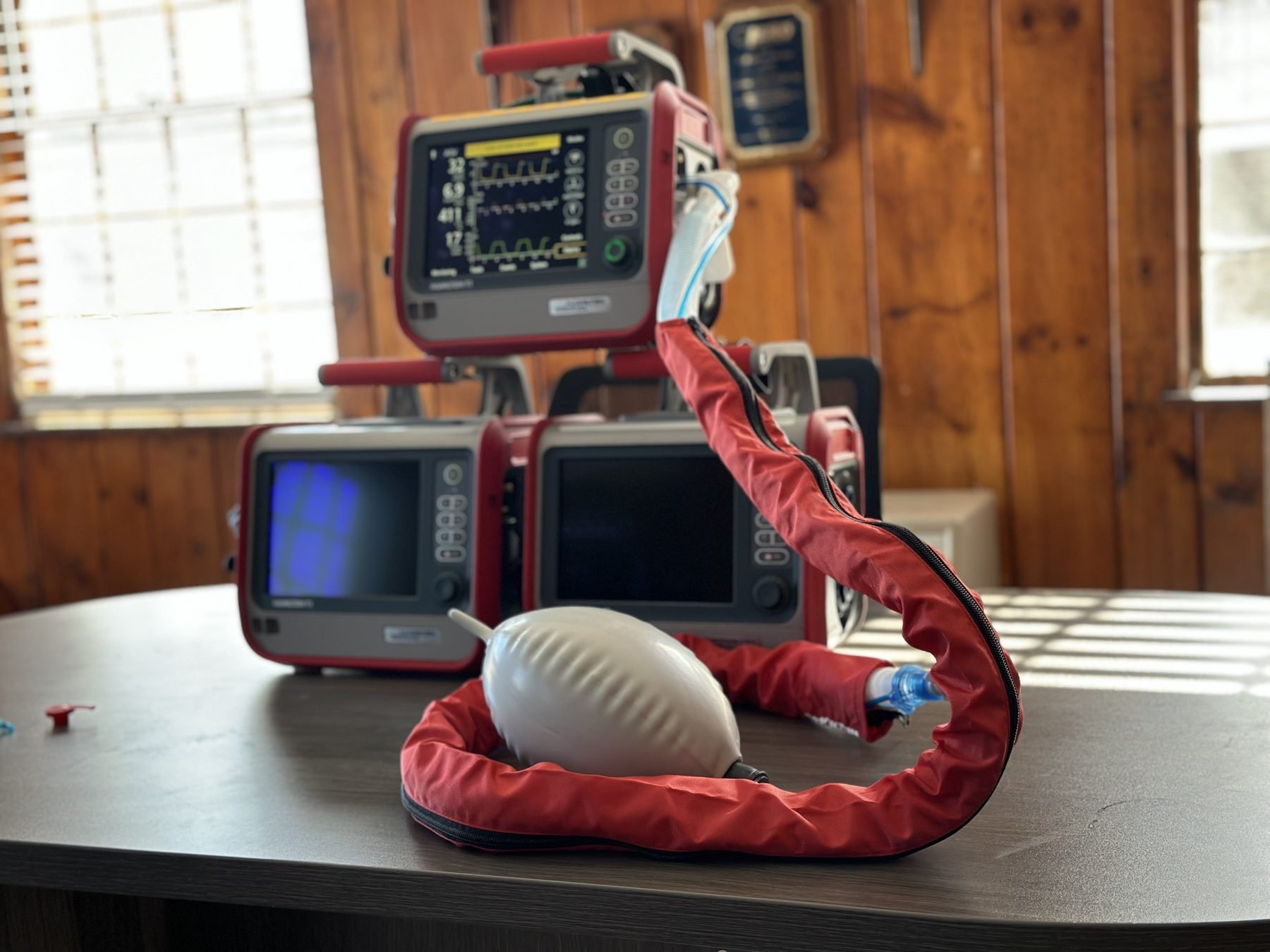
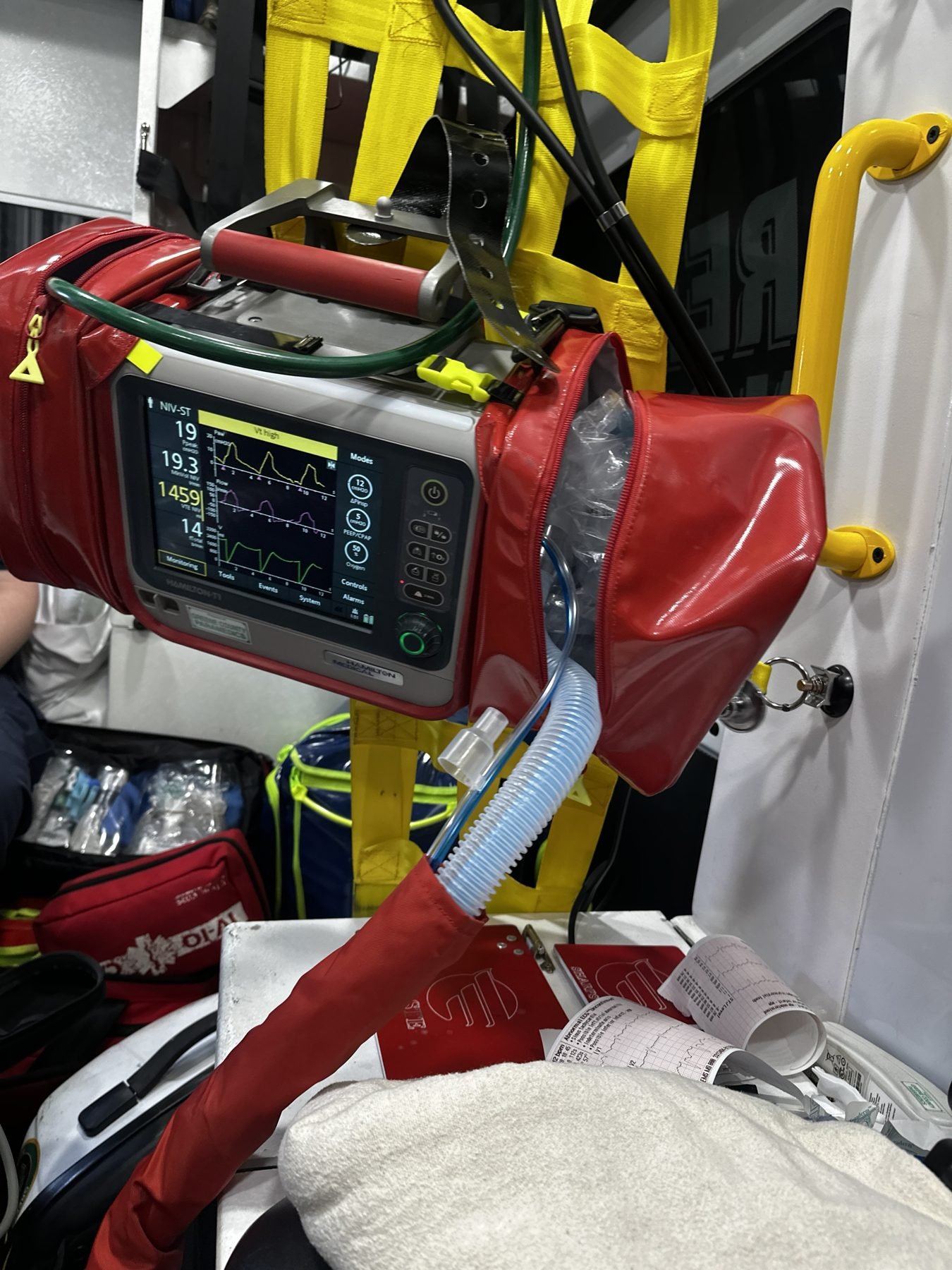
Hamilton T1
Why we built it
The hospital is a long way away.
Greene County covers 658 square miles of the northern Catskills. Columbia Memorial Health in Hudson is our closest hospital, and for many patients it is the right destination. But the nearest Level I trauma center, cardiac catheterization lab and tertiary-level critical care are at Albany Medical Center, and from much of the county that is more than 80 minutes by ground. Our paramedics do not simply package a patient and go. Depending on where the call is, they may be managing that patient for an hour or more, in the back of a local ambulance, through mountain roads and winter weather.
For a patient who cannot breathe on their own, that hour matters. Before 2023, our tools were a bag-valve mask, a simple CPAP mask, and a basic pneumatic transport ventilator, the PalmVent, that could hold a rate and a volume and not much else. Bag-valve ventilation by hand, however skilled, cannot deliver the consistent volumes, pressures and oxygen targets that protect injured lungs and a recovering brain. A transport ventilator can.
Flight crews and interfacility critical care teams have carried ventilators for years. Ground 911 agencies, the ones who reach you first, almost never did. Ventilators were something a patient met at the hospital, or in a helicopter, not on their living room floor.
So in 2023 we set out to change that for Greene County. We started with three ventilators, placed in the cars that could reach the most of the county through immediate response and system-status moves, and trained every provider to use them. The idea had to earn its way into the rest of the fleet.
The fly car model
Five cars. Six ventilators. One county.
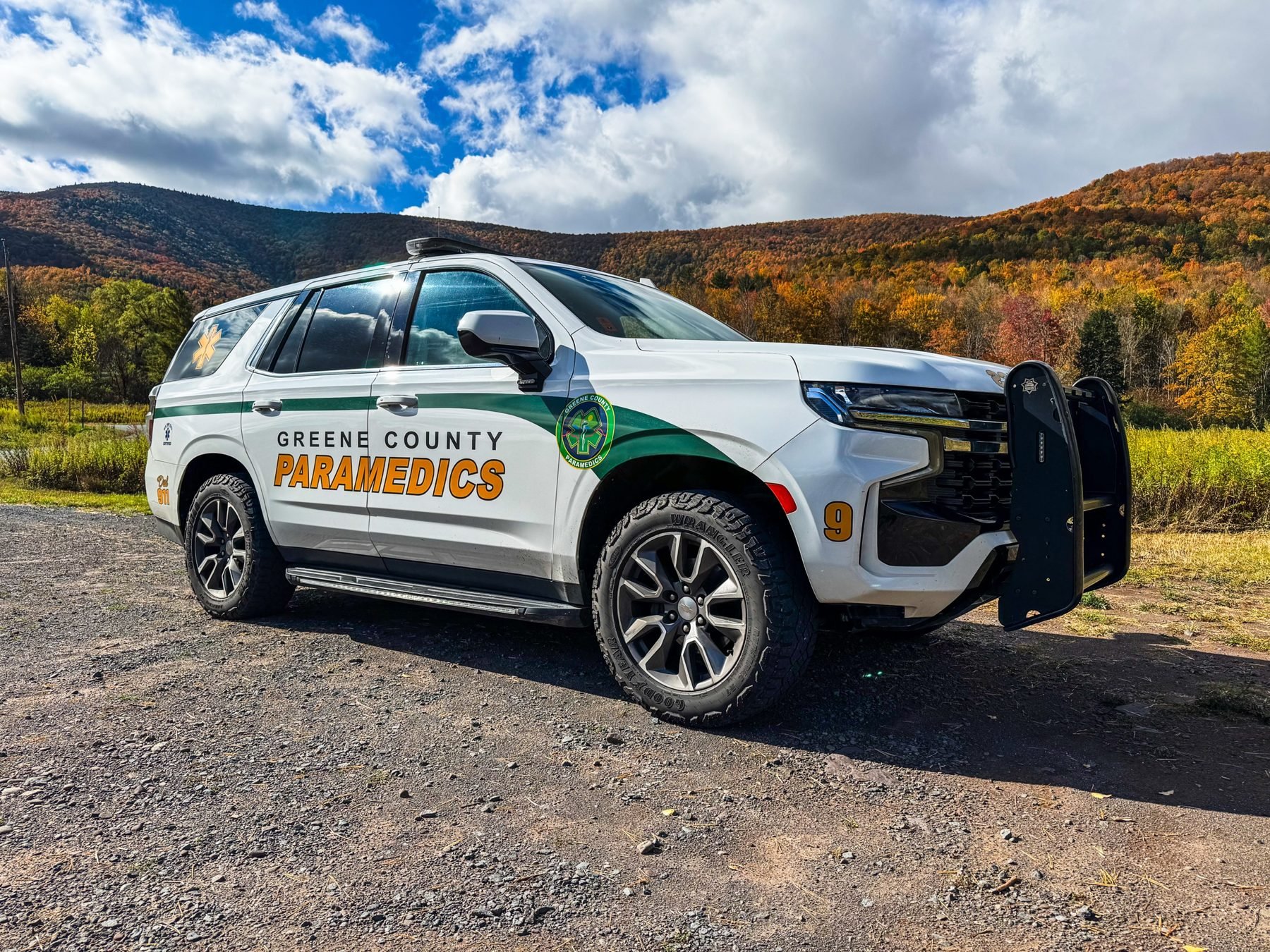
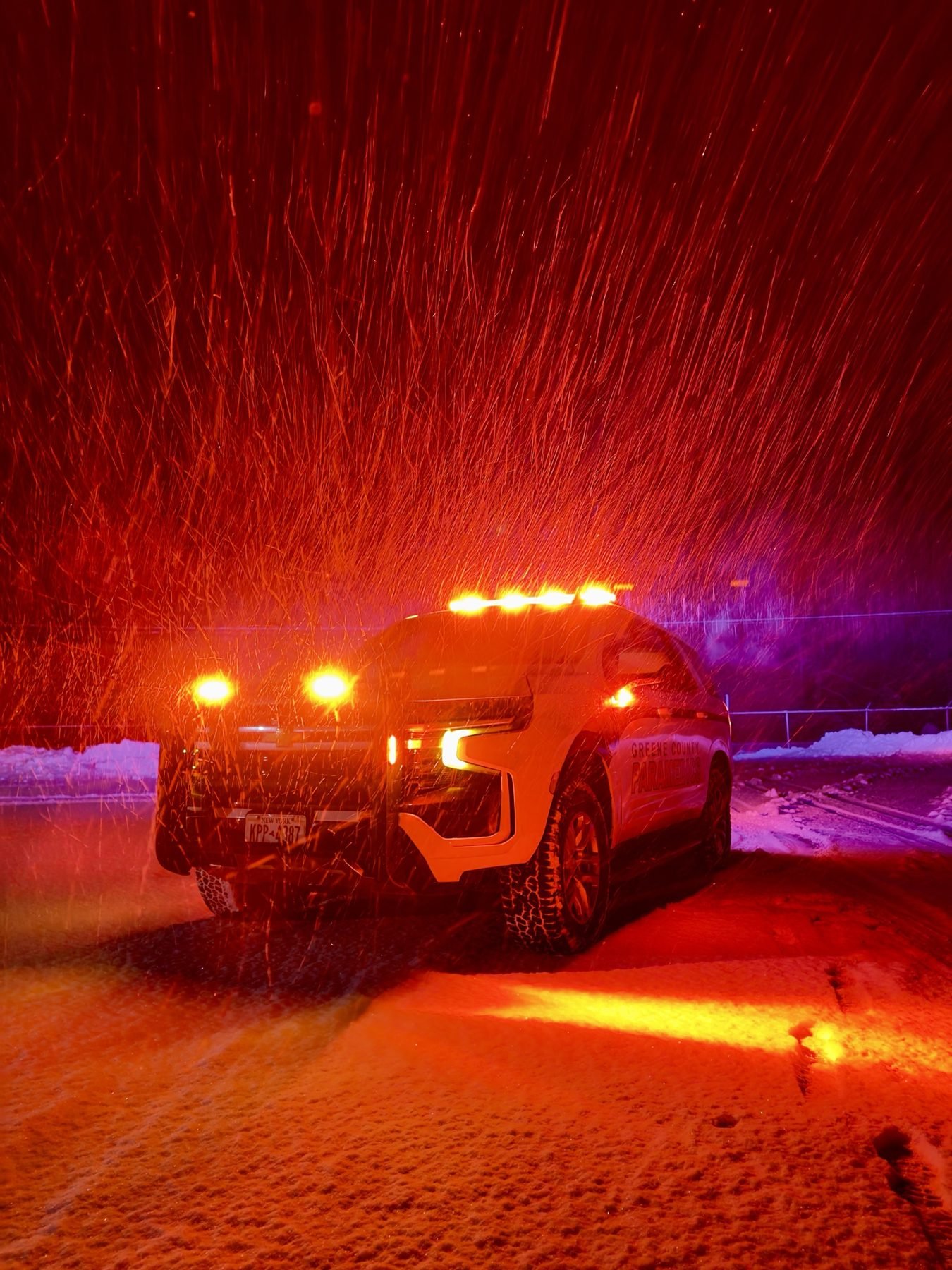
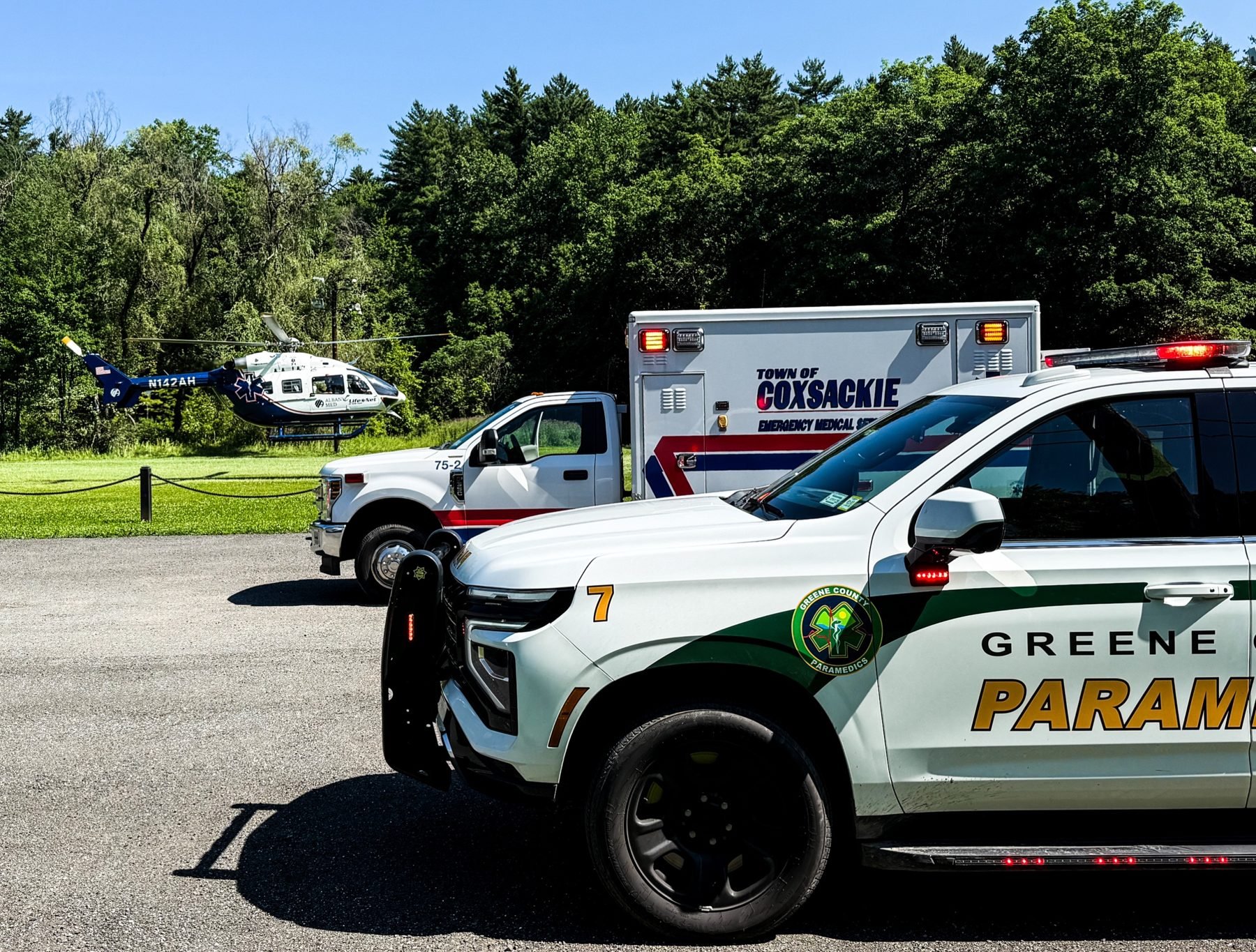
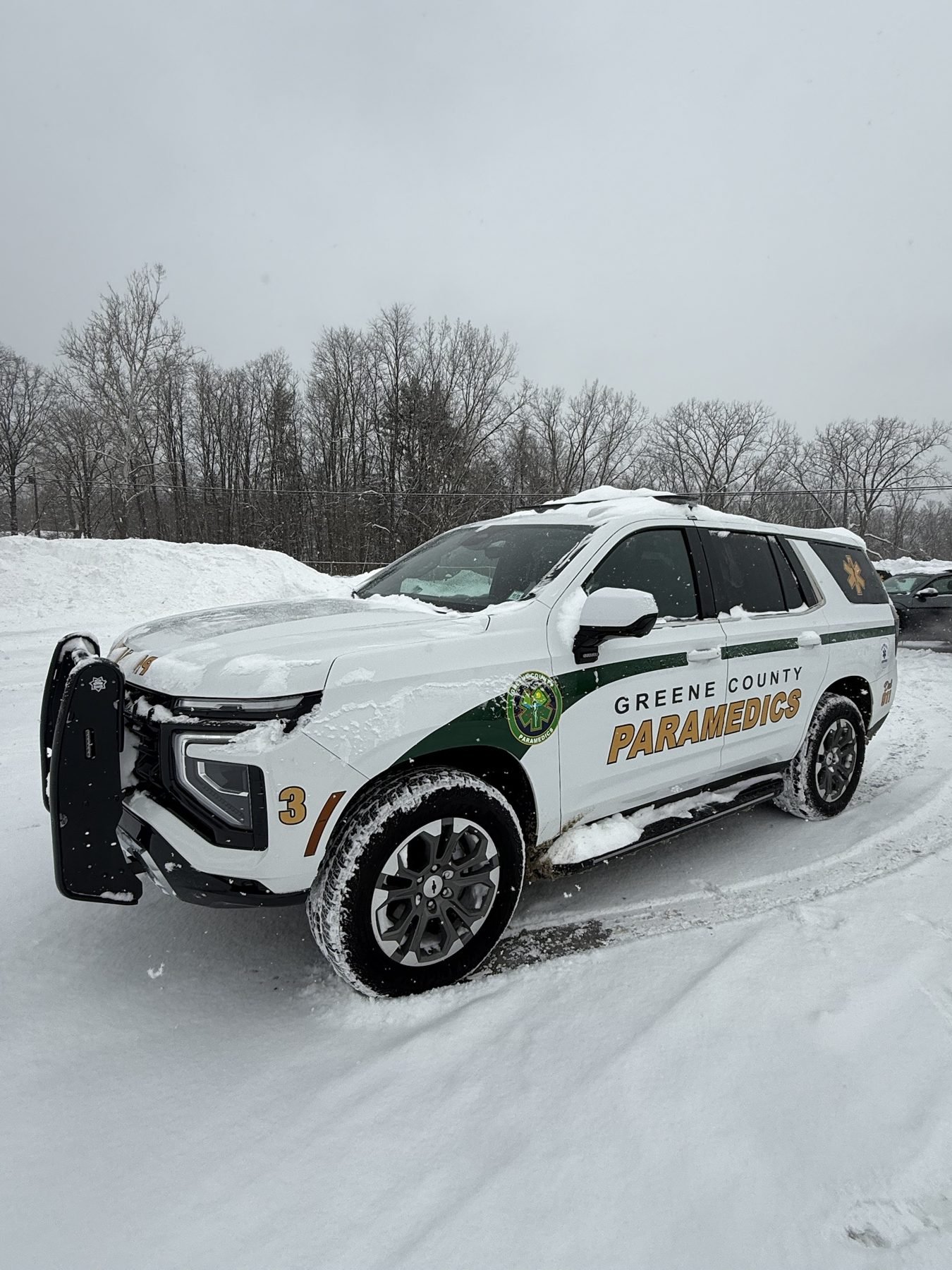
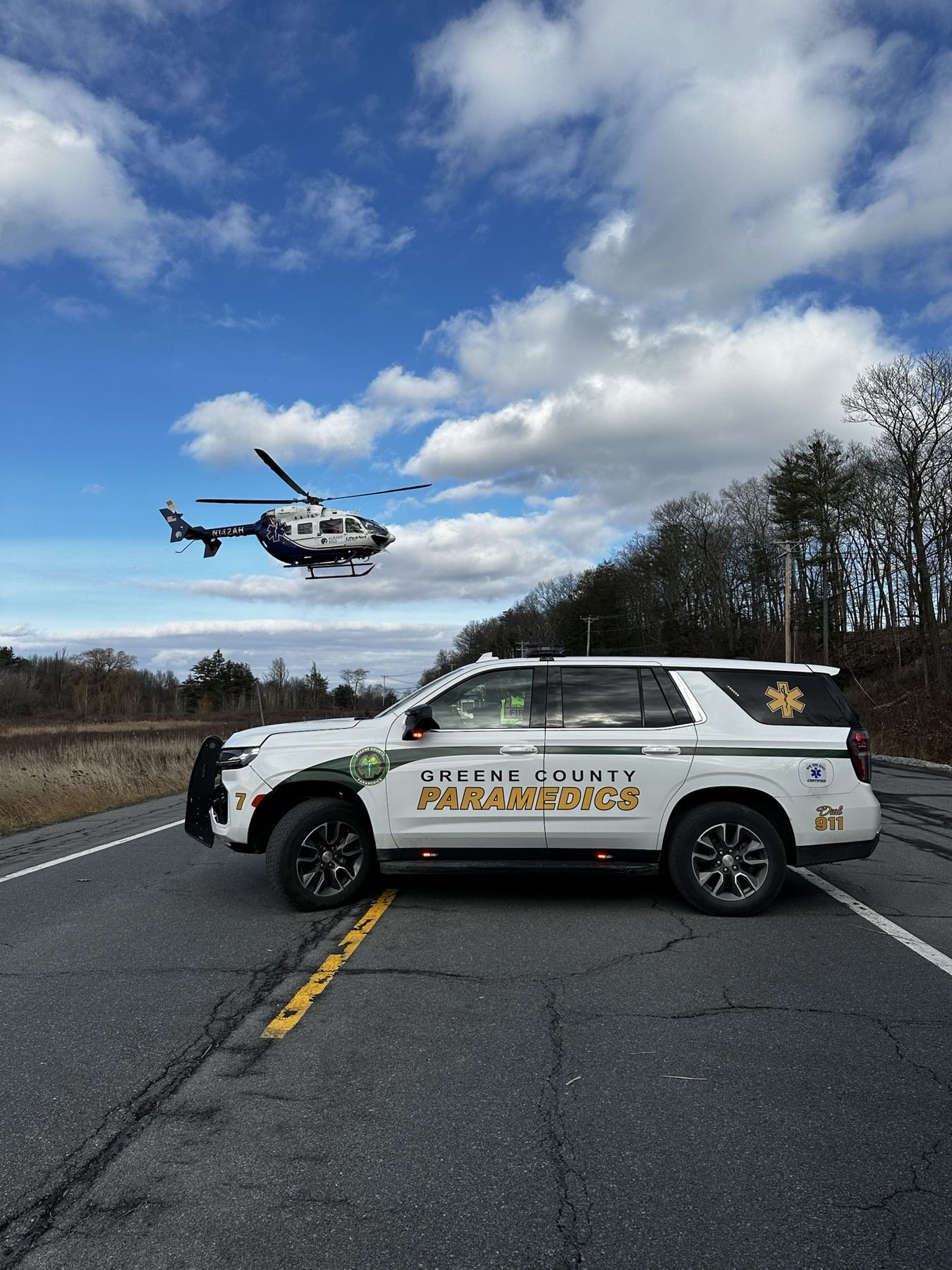
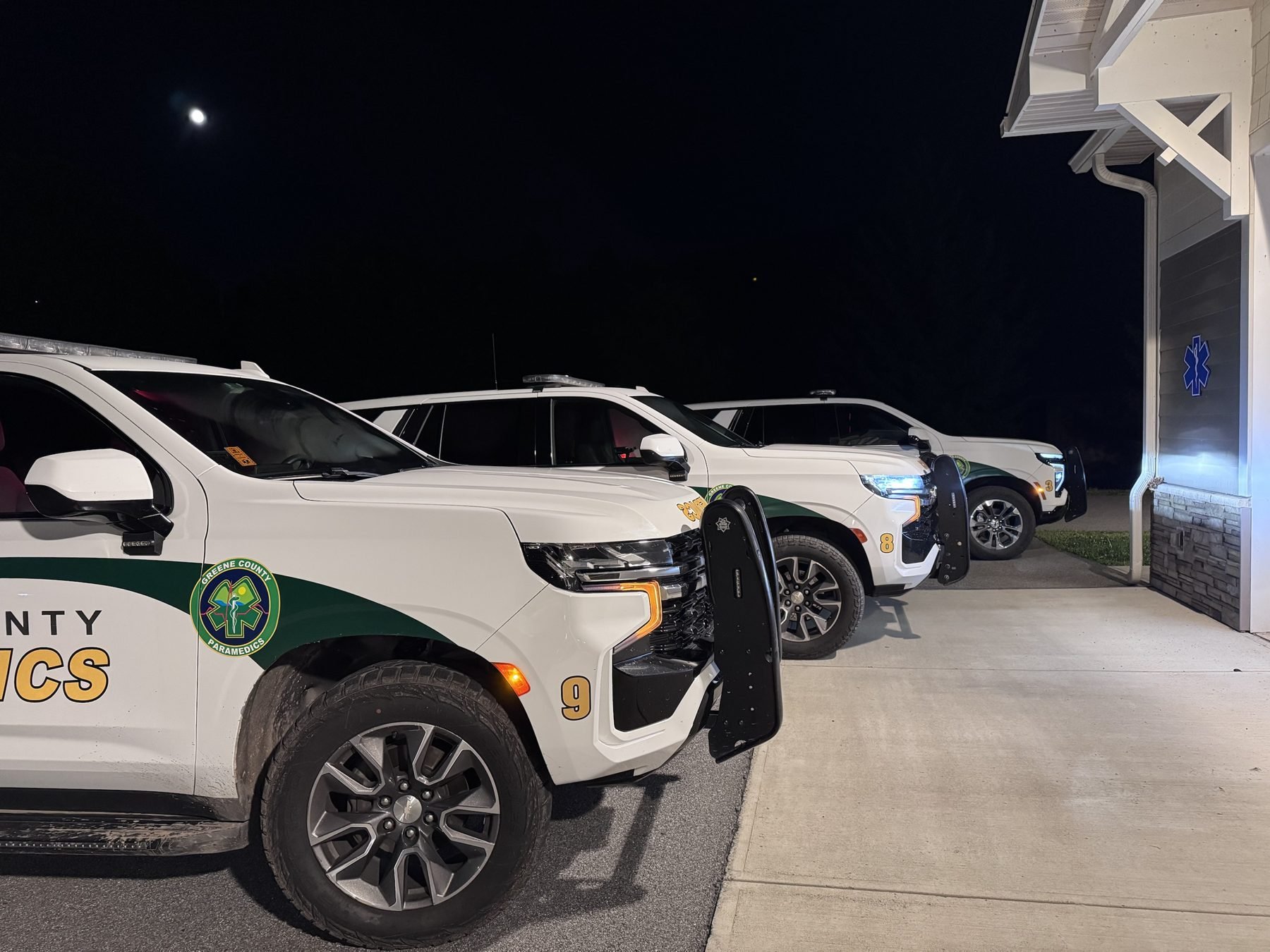
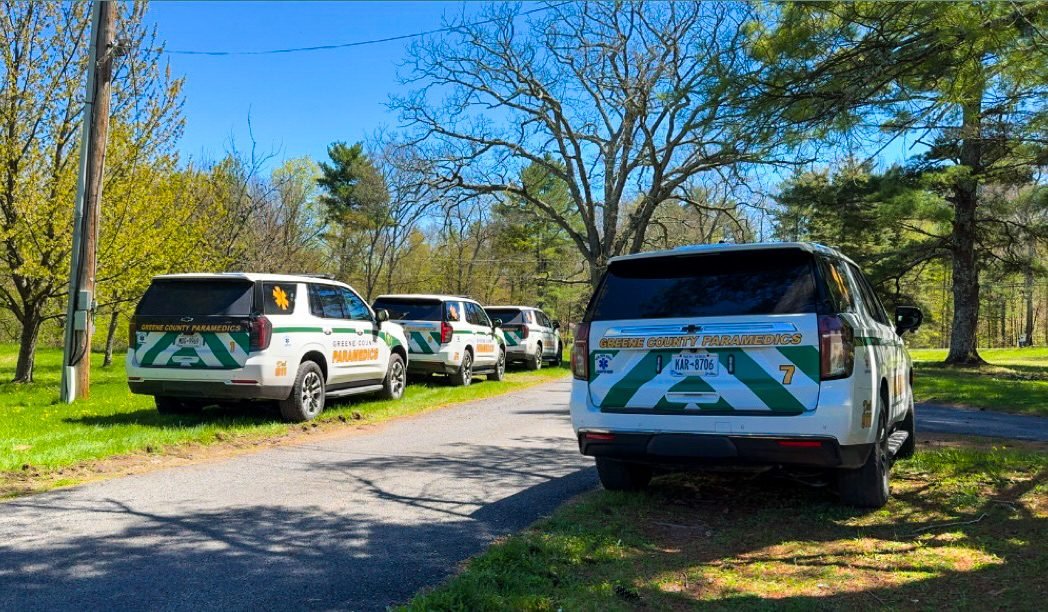
Greene County Paramedics is an ALS first-response agency. We do not transport. Our paramedics respond in Chevy Tahoe fly cars from five stations, meet the local ambulance service on scene, and ride with the patient to the hospital, bringing advanced care that would otherwise not be available in the county.
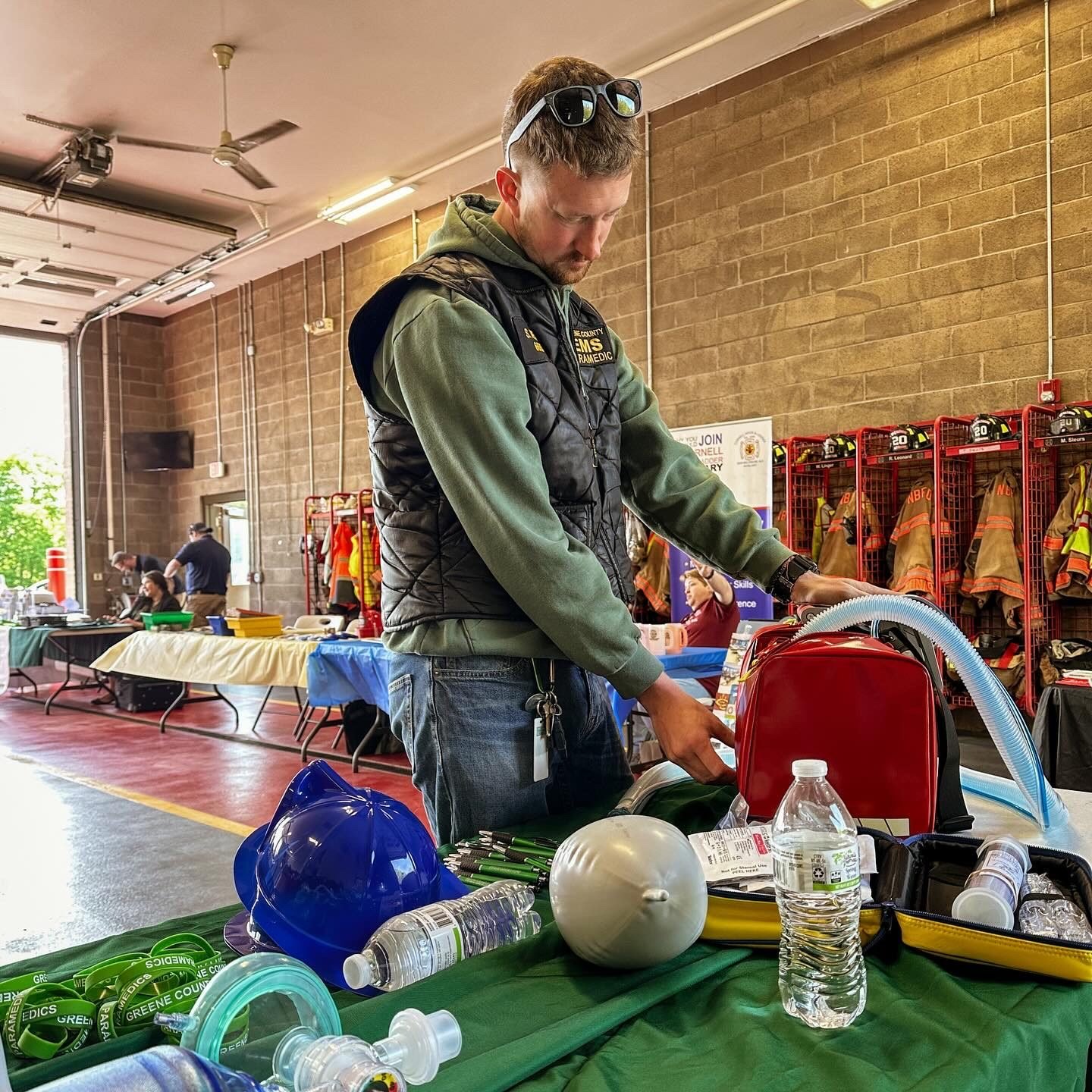
Today every unit, including the Chief's vehicle, carries a Hamilton T1 transport ventilator. Whichever car is closest brings a full critical-care airway capability with it.
How we got here
Built in stages, not bought in a day.
Before 2023
A bag and a CPAP mask
Like most agencies, GCEMS managed breathing with a bag-valve mask for patients who had stopped breathing and a simple CPAP mask for patients who were struggling. CPAP helped, but it had one setting and no way to breathe for a patient who was wearing out. A basic pneumatic transport ventilator, the PalmVent, was carried for the rare patient who needed more, but it offered little control and no monitoring.
April 2023
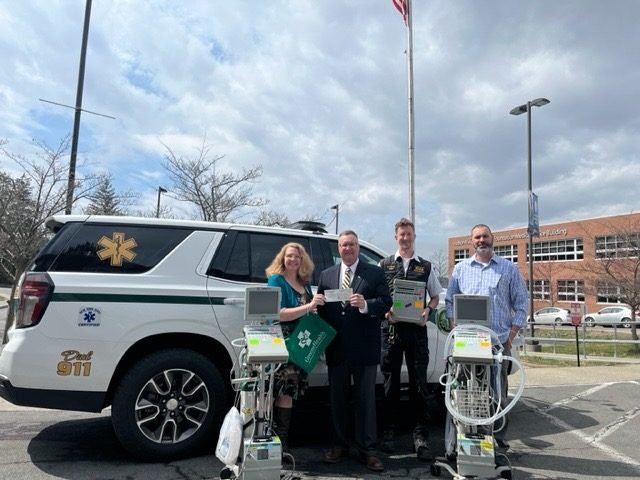
Columbia Memorial Health donates LTV 1200 ventilators
The donation made a true program possible. Every provider completed mandatory training over the following two months.
June 2023
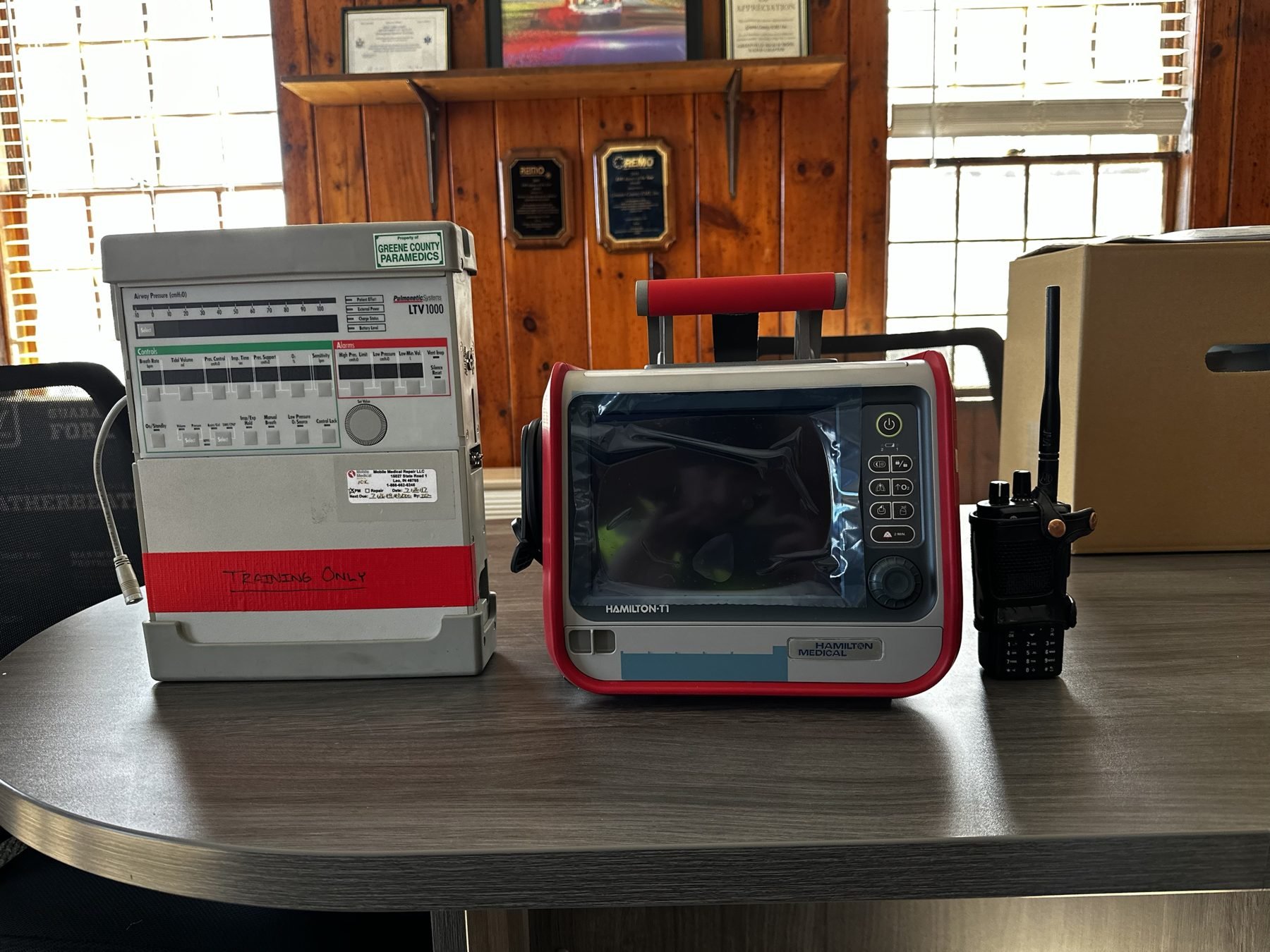
LTV 1200s go into service
Three ventilators for six cars, placed in Medics 3, 5 and 9 to cover the most ground through immediate response and system-status moves. The first patient was ventilated on June 30, two days after the units went into the field.
2023
REMO Agency of the Year · ALS Provider of the Year
Regional Emergency Medical Organization honors for the agency and for Paramedic Shane Merchant.
March 2024
First cardiac arrest patient survives to go home
Resuscitated in the field, ventilated on the LTV 1200 through transport, discharged from the hospital with no neurological deficit.
April – June 2024
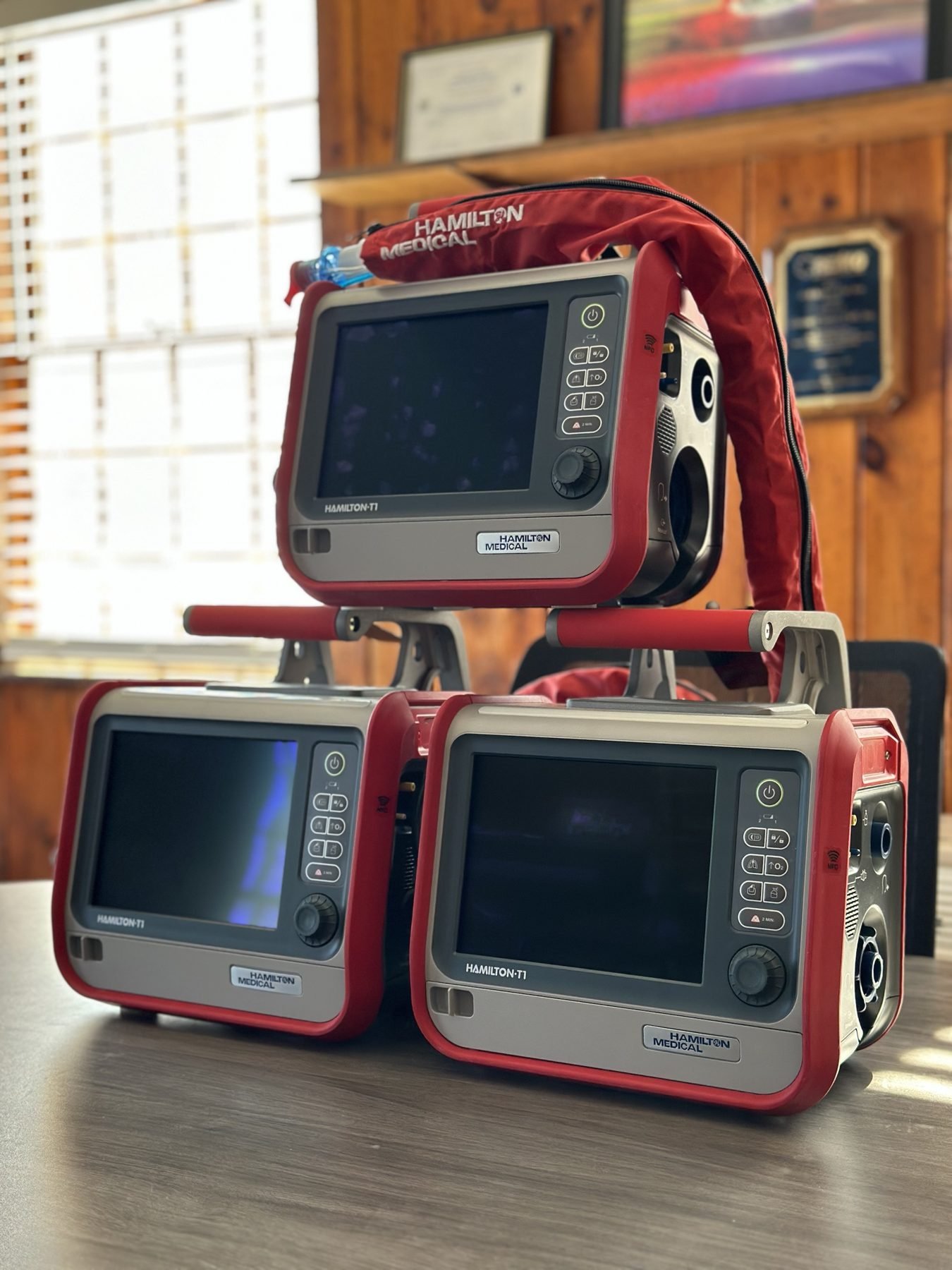
Hamilton T1s arrive; three go live June 6
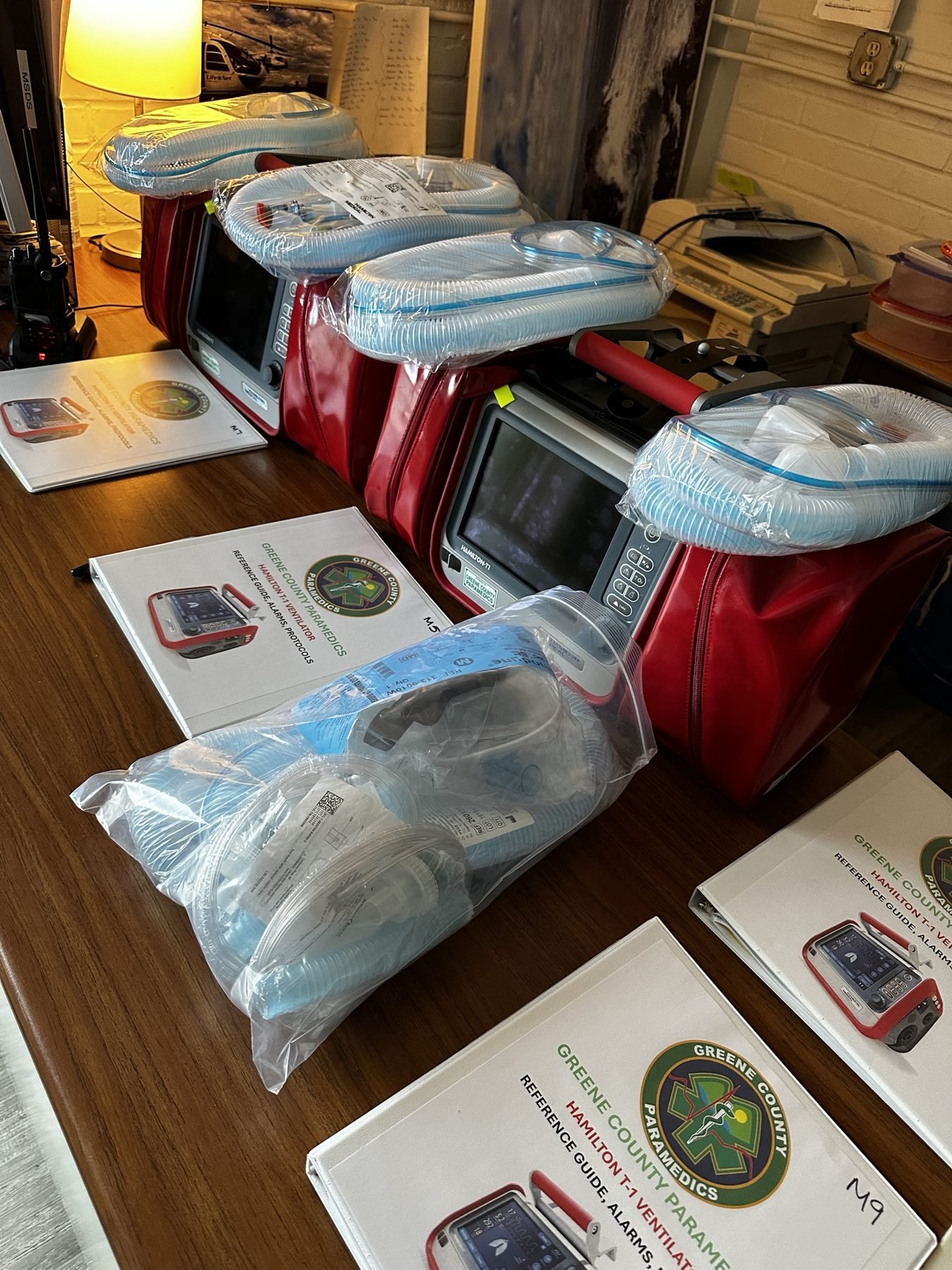
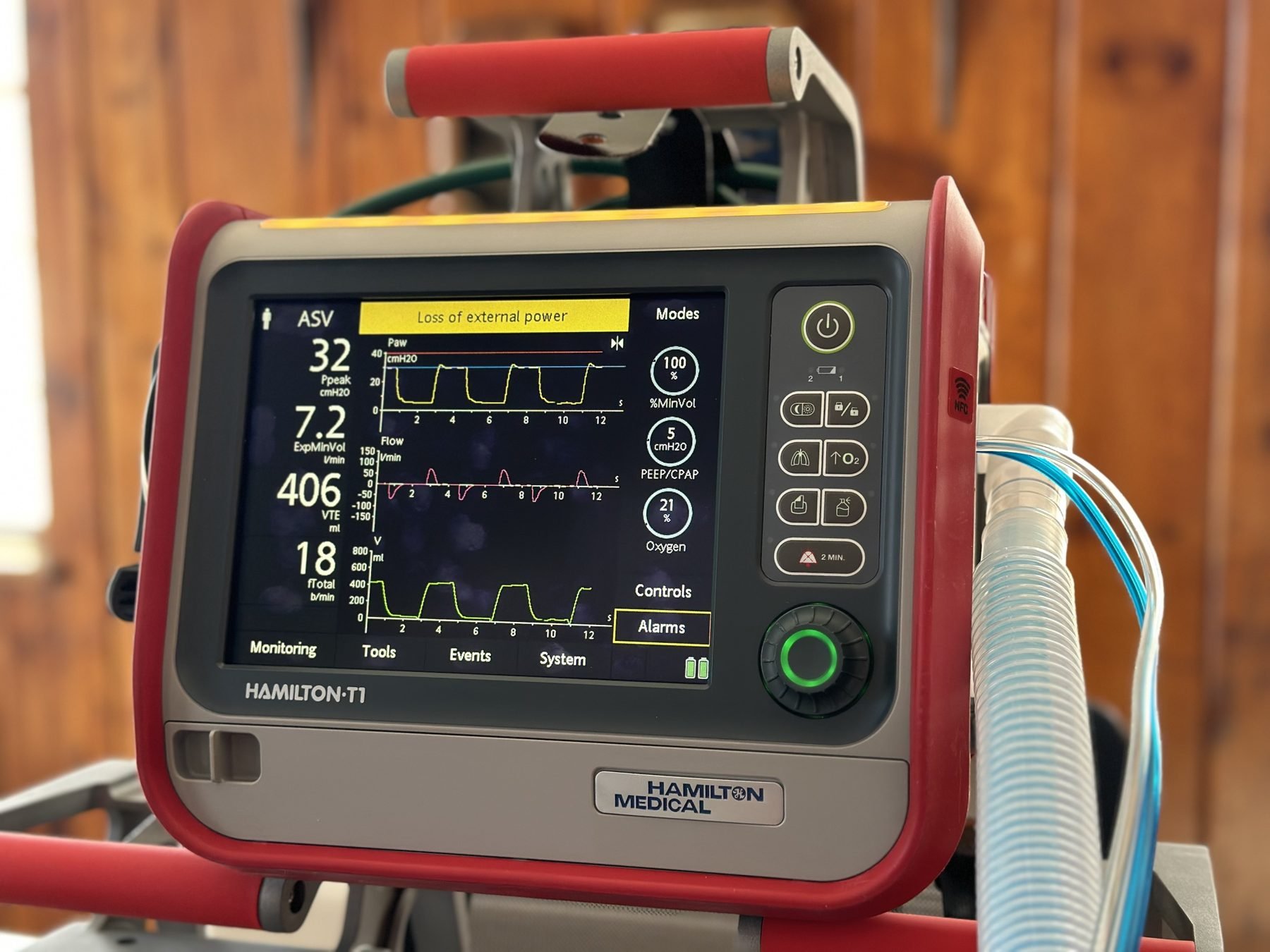
A year of results, including a full cardiac arrest reversal and a run of good outcomes, had proven the theory: prehospital ventilators were useful and good for patients. The agency upgraded. All 40 providers trained before go-live. T1s went into Medics 3, 5 and 9, with the LTVs moving to Medics 1, 7 and 8 so that every car now carried a ventilator. The T1 added BiPAP, a capability the LTV did not have. First T1 patient: two days after go-live.
2024
REMO Excellence in Quality and Innovation · Harriet C. Webster Award for Leadership
The ventilator program recognized regionally; the Webster Award presented to Chief of Operations Steve Near.
January 1, 2025
Full fleet on Hamilton T1
Three more T1s purchased and placed in service the same day. The LTV 1200s retired. Six ventilators, one in every car.
April 2025
Last intubation for respiratory failure to date
Since then, every patient in respiratory failure who was a candidate for BiPAP has been managed without endotracheal intubation, more than 50 patients and counting.
2025 and beyond
The region follows
GCEMS was one of the first ground 911 agencies in the region to put critical care ventilators on first-response units. Shortly after the results became known, agencies across the region began purchasing transport ventilators of their own. Most agencies in the REMO region are now implementing a ventilator program of some kind, including Windham and Catskill here in Greene County, both in 2025.
What the data shows
More patients helped. Fewer endotracheal intubations.
The Hamilton T1 did not just replace the LTV. It added a capability, non-invasive ventilation (BiPAP), that opened the ventilator to a whole group of patients who previously had two options: struggle to breathe on their own, or be sedated and intubated.
Ventilator patients by period
Invasive (intubated) versus BiPAP. The LTV 1200 could not deliver BiPAP.
Classified by the ventilator mode actually used, from GCEMS chart review.
2026 is running slightly below 2025. Two things are behind that. Cardiac arrests, about a quarter of all ventilator patients, are down 15% year over year. And respiratory patients are being treated earlier and more aggressively with CPAP, BiPAP and medication, so fewer of them deteriorate to the point of needing full mechanical ventilation at all.
Share of ventilator patients on BiPAP
Within seven months of the T1 arriving, four in ten ventilator patients were being managed without endotracheal intubation. Today it is two in three.
Intubations for respiratory failure
total RSIs
total RSIs
4 respiratory, all before April
0 respiratory
Rapid sequence intubation (RSI) is still performed when it is the right call, for trauma, cardiac arrest and altered mental status. What has changed is that patients whose problem is breathing itself are now supported on BiPAP instead of a tube. Since April 2025, no patient in respiratory failure who was a candidate for BiPAP has needed intubation in the field. Total RSIs are on pace to fall by more than half this year.
RSI counted as administration of a paralytic (rocuronium or succinylcholine) in the agency record. Respiratory failure classified by chart review of the clinical course, not by the charted primary impression alone.
If a respiratory patient does need endotracheal intubation tomorrow, that is not a failure of the program. It is the program working as designed: the same ventilator that delivers BiPAP delivers full invasive ventilation, and our crews are trained and equipped for both.
Cardiac arrest
Fewer arrests. The same number going home.
Cardiac arrest responses in Greene County have fallen by a third since 2022. The number of patients who survive to leave the hospital has not: three to four every year. As a share of arrests, survival to discharge has climbed from one in twenty to nearly one in eleven.
Part of that decline is the county's. Part of it, we believe, is ours. A patient in respiratory failure who is not supported in time can deteriorate into cardiac arrest on the way to the hospital. Those patients are now stabilized on BiPAP before they ever reach that point. A patient who never codes does not appear in any survival statistic, but they are the best outcome this program produces.
For the patients who do arrest, controlled ventilation after the heart restarts, with the right oxygen and CO2 targets held steady for the whole ride, is one of the things the program was built to deliver. It is one piece of a chain that starts with bystander CPR and ends in the ICU. We are proud to be a stronger link in it.
Survival to hospital discharge after cardiac arrest
Survivors ÷ cardiac arrest responses, by year.
These are small numbers. One patient moves the rate by about two points in either direction, so the trend across five years matters more than any single year's figure.
What it looks like on a call
Four moments that showed us what the program could do.
Home without deficit.
A woman in her early fifties collapsed at home with no warning and no prior symptoms. She was in ventricular fibrillation when paramedics arrived. They resuscitated her on scene, placed her on the LTV 1200, and managed her as a critical care patient for the entire transport to Albany Medical Center, where she went to the cath lab. She went home with no deficit. It was the program's first survivor, and the first time we looked at each other and thought: we are onto something.
Breathing without a tube.
A patient with a history of severe allergic reactions and asthma, who had been intubated twice before for the same thing, was found barely conscious and struggling to breathe. Paramedics treated aggressively with BiPAP and medication, and the patient improved through the transport, arriving awake. An hour after handoff the BiPAP mask came off. The patient was discharged that same evening, never having been intubated. One of the first patients managed on the T1's non-invasive mode, and the clearest example of what it changed.
When the tube is the right call.
A cyclist went into ventricular fibrillation on the side of the road. Paramedics defibrillated him, intubated him, and placed him on the ventilator. Albany Med LifeNet landed, moved him to the aircraft's ventilator using our settings, and flew him out; the handoff was seamless. He has made a full recovery. The same program that keeps respiratory patients from endotracheal intubation is the one that makes an intubated transport, and a transfer between crews, safe when there is no other option.
Eighteen months, zero.
Since April 2025, not one patient in respiratory failure has needed endotracheal intubation in the field. More than 50 patients have been managed on BiPAP in that time. Every one of them avoided sedation, paralysis, and the days of ventilator weaning that follow an intubation.
Across the county
Where the ventilator has gone to work.
From the Hudson River towns to the mountaintop, this is not a capability that lives at one station. Cairo and Coxsackie lead the count, but nearly one in four patients was on the mountaintop, in Hunter, Prattsville, Lexington, Jewett, Ashland or Windham, where the hospital is furthest away and the ventilator matters most.
recorded scene location
a patient has been ventilated
furthest from the hospital
Counts by scene zip code from agency records, June 2023 through October 2026. Hover or tap a zip code for its count. Halcott, the one town not shown with a patient, has a population under 300.
Training
Forty of forty. Twice.
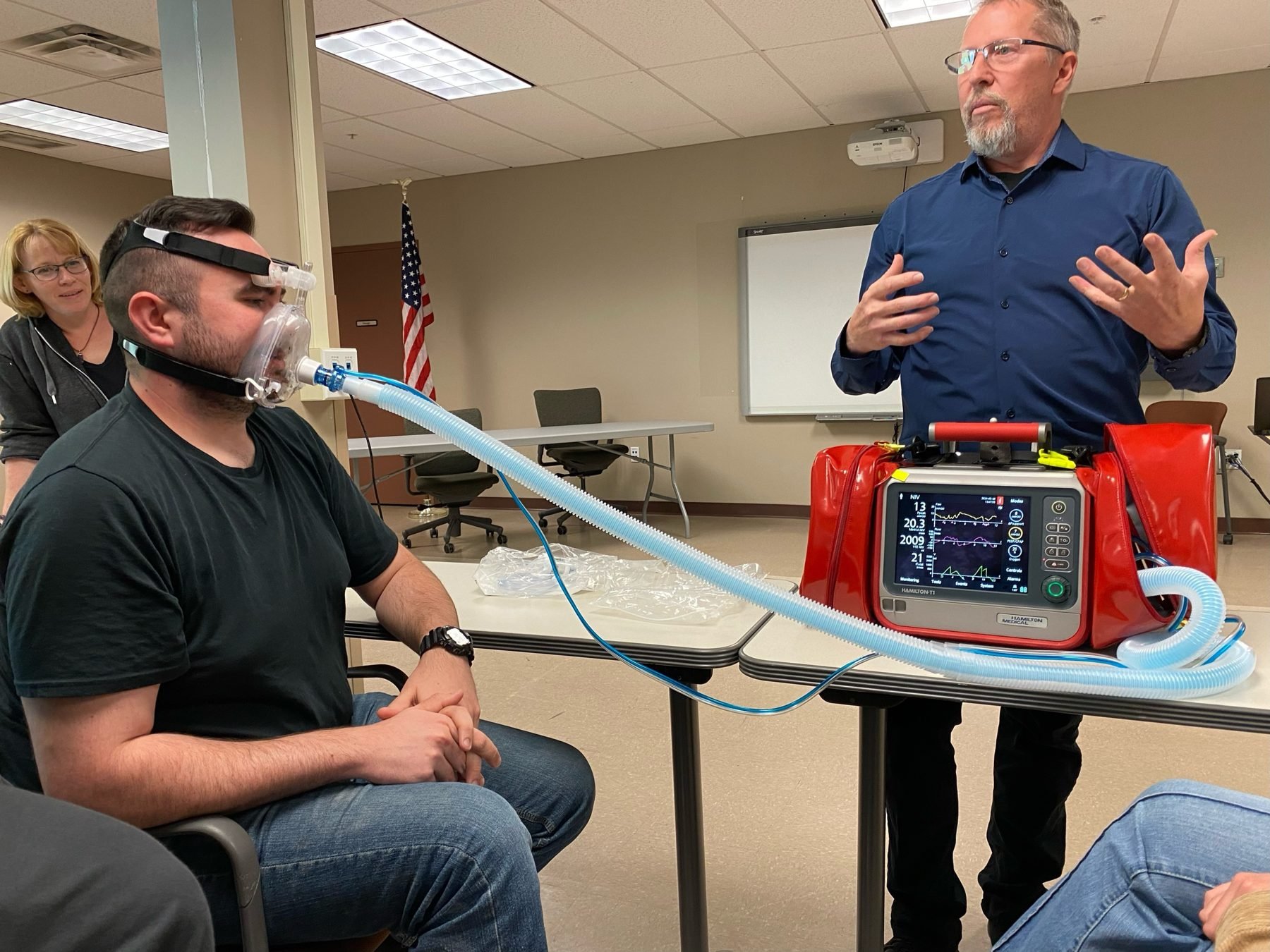
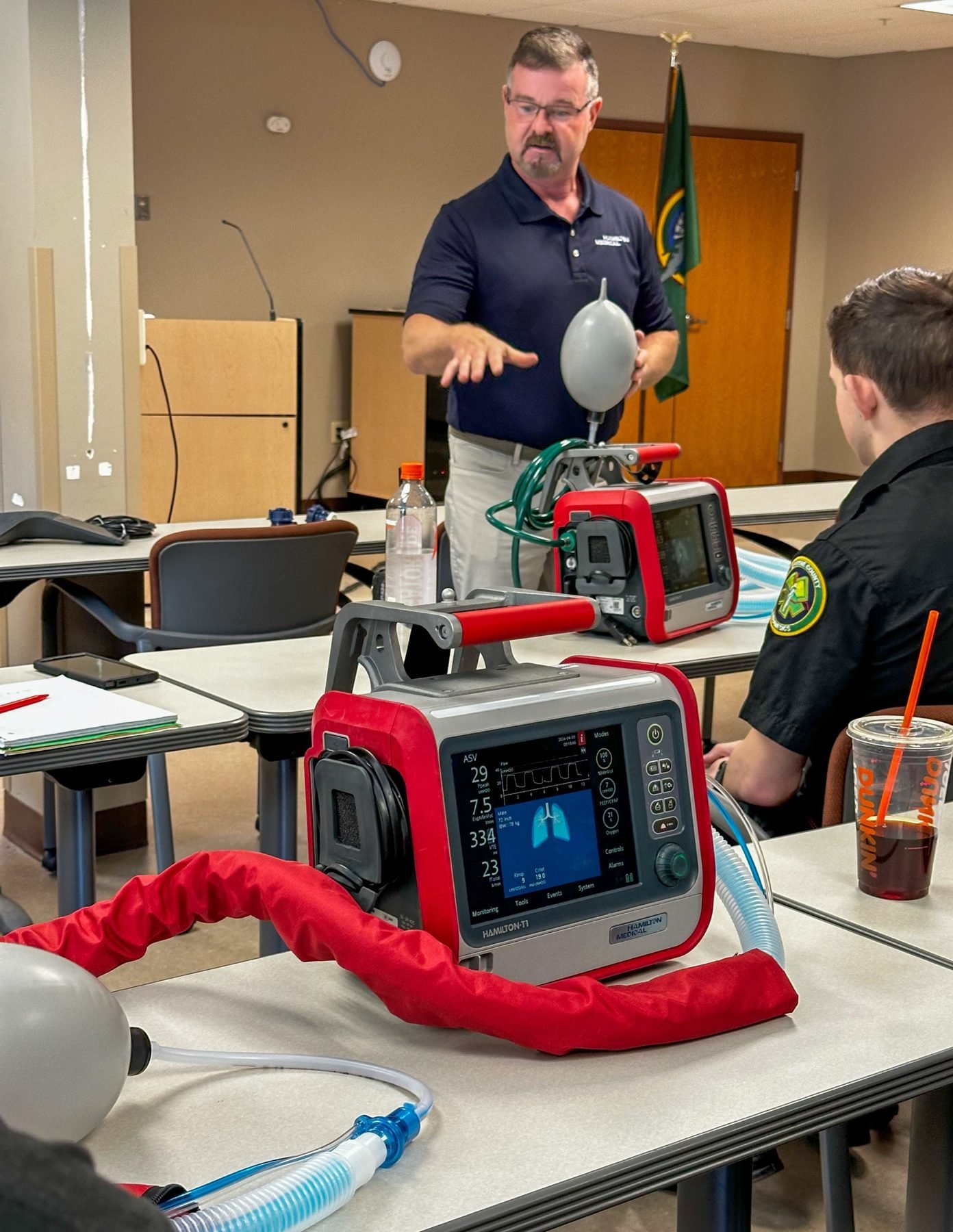
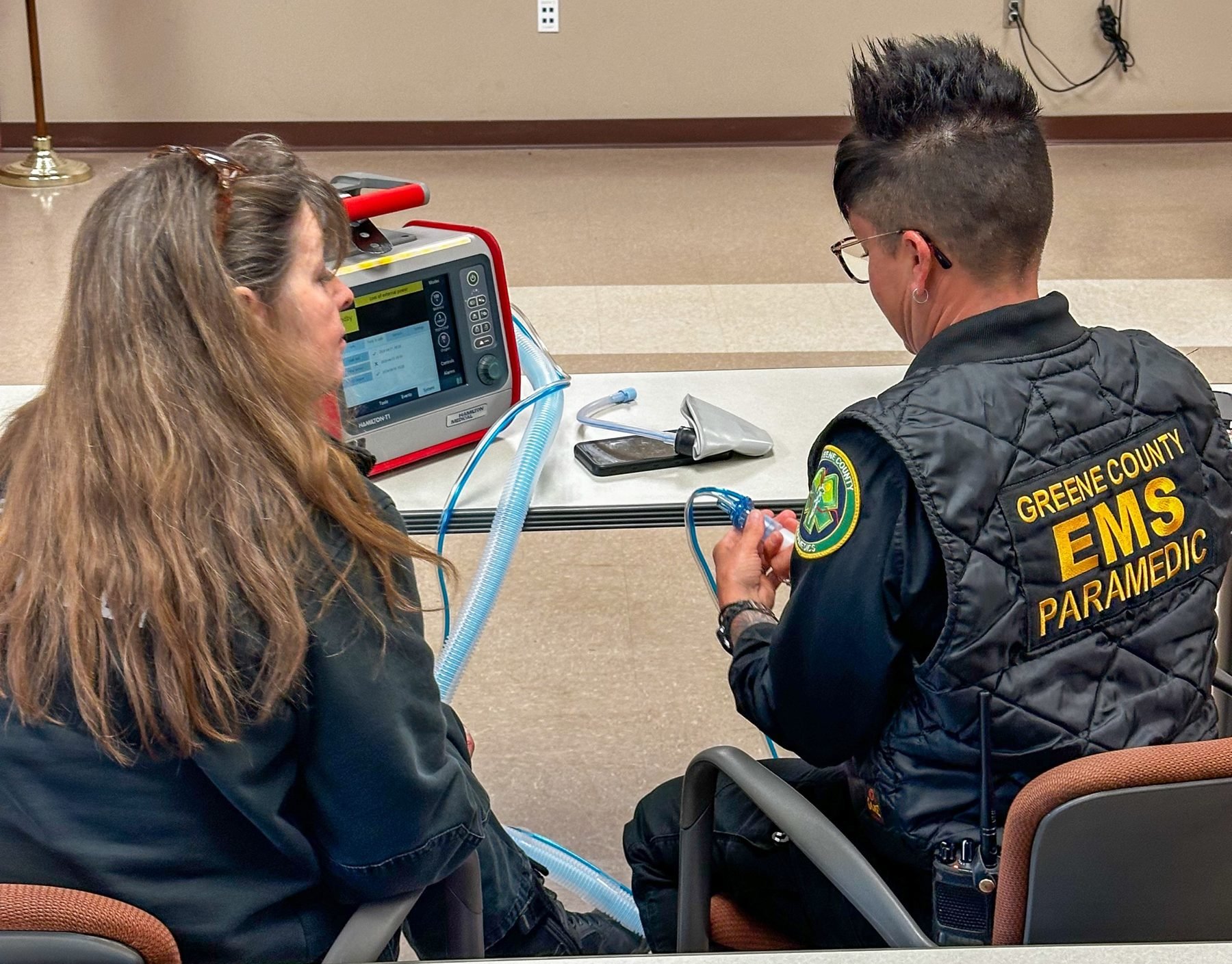
Both rollouts followed the same rule: nobody touches a patient with a ventilator they have not been trained on. In 2023 and again in 2024, every one of the agency's 40 providers completed mandatory training before the equipment went into service, with instruction from Hamilton Medical and LifeNet of New York, hands-on practice and simulation.
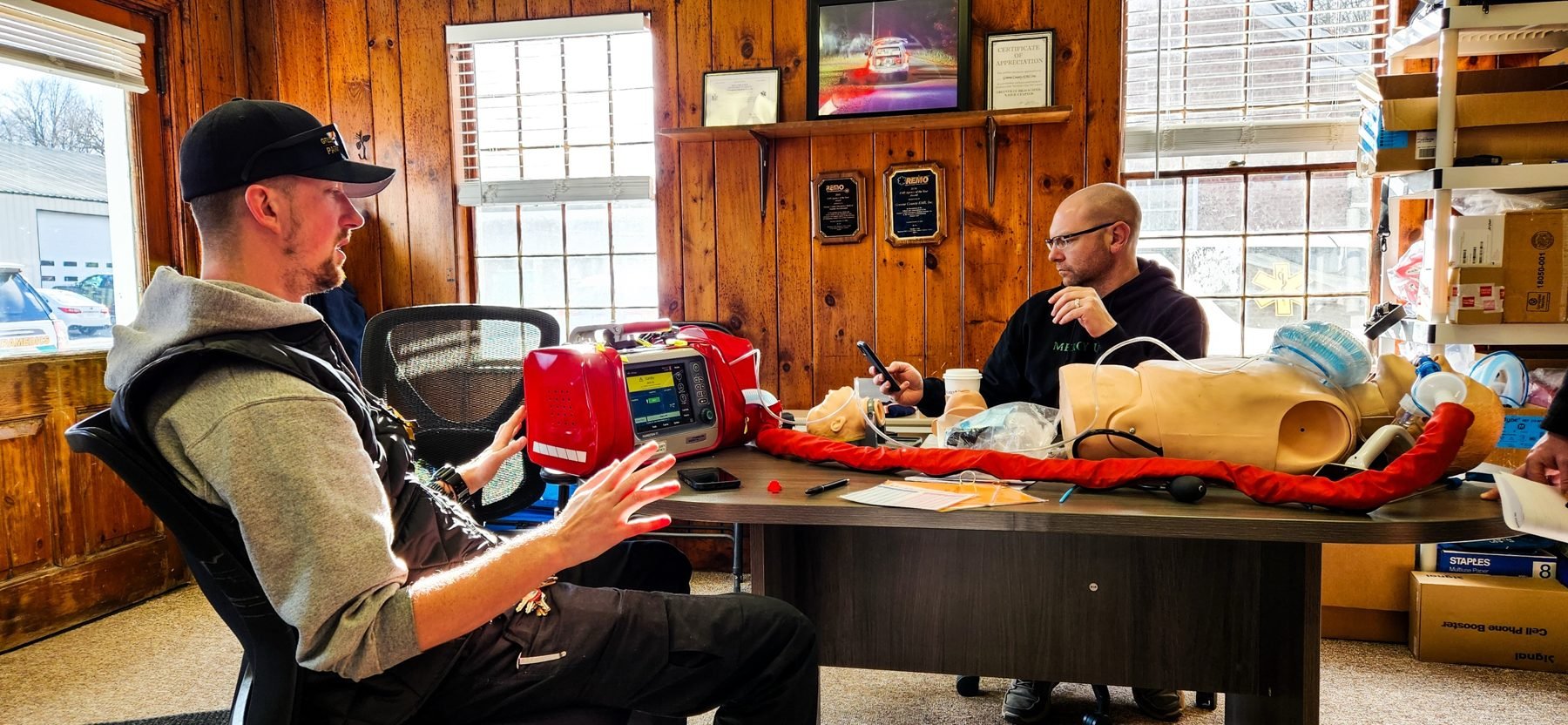
The training did not stop at go-live. GCEMS now runs two ventilator workshops a month: small groups of four working through real scenarios and troubleshooting on the T1, with a required number of sessions per provider each year. The skill is kept, not just earned.
Every ventilator carries a set of GCEMS-written reference cards: ideal body weight and tidal volume tables, initial settings by clinical scenario, alarm response, and the one rule above all others: if the ventilator cannot be made to work, disconnect and ventilate by hand.
The people behind it
A program this size does not happen alone.
Medical direction
Dr. Craig A. Stanger
Medical Director, GCEMS. Set the clinical parameters, the agency-level pressure ceilings and the protocol framework the program runs on.
Clinical leadership
Mark Foster, FP-C
ALS Coordinator, GCEMS. Training, credentialing and day-to-day clinical oversight of the ventilator program.
Operations
Patricia McAneny
Deputy Chief of Operations, GCEMS, and one of the agency's most tenured paramedics.
Governance
GCEMS Board of Directors
Led by Board President Mark R. Evans. The board backed the program from the first donation through the purchase of six Hamilton T1s.
Training partner
LifeNet of New York
Albany Med's critical care flight program. Their crews were a major part of the initial ventilator training, and they are the ones we hand our patients to when they fly.
Our crews
40 paramedics and providers
Who trained on their own time, learned a new way to manage breathing, and have now used it 147 times for the people of Greene County.
Partner logos used with permission.
From the Chief
Why I wanted to write this down.
When Columbia Memorial handed us those LTVs in the spring of 2023, I did not know if this would work. I knew the math: a county this size, a hospital this far, and a bag in someone's hand for an hour was not good enough. What I did not know was whether a ground 911 agency of forty people could take on something that had lived in flight programs and interfacility critical care transport, and do it well on a fly car at two in the morning.
The March 2024 patient settled that for me. She went home. We were onto something.
Everything since then has been the crews. They did the training on their own time, twice. They learned a new way to manage breathing, got good at it fast, and have now used it 147 times for their neighbors. I am proud of them, and I wanted the county to know what they have built.
Steve Near
Chief of Operations, Greene County Paramedics